
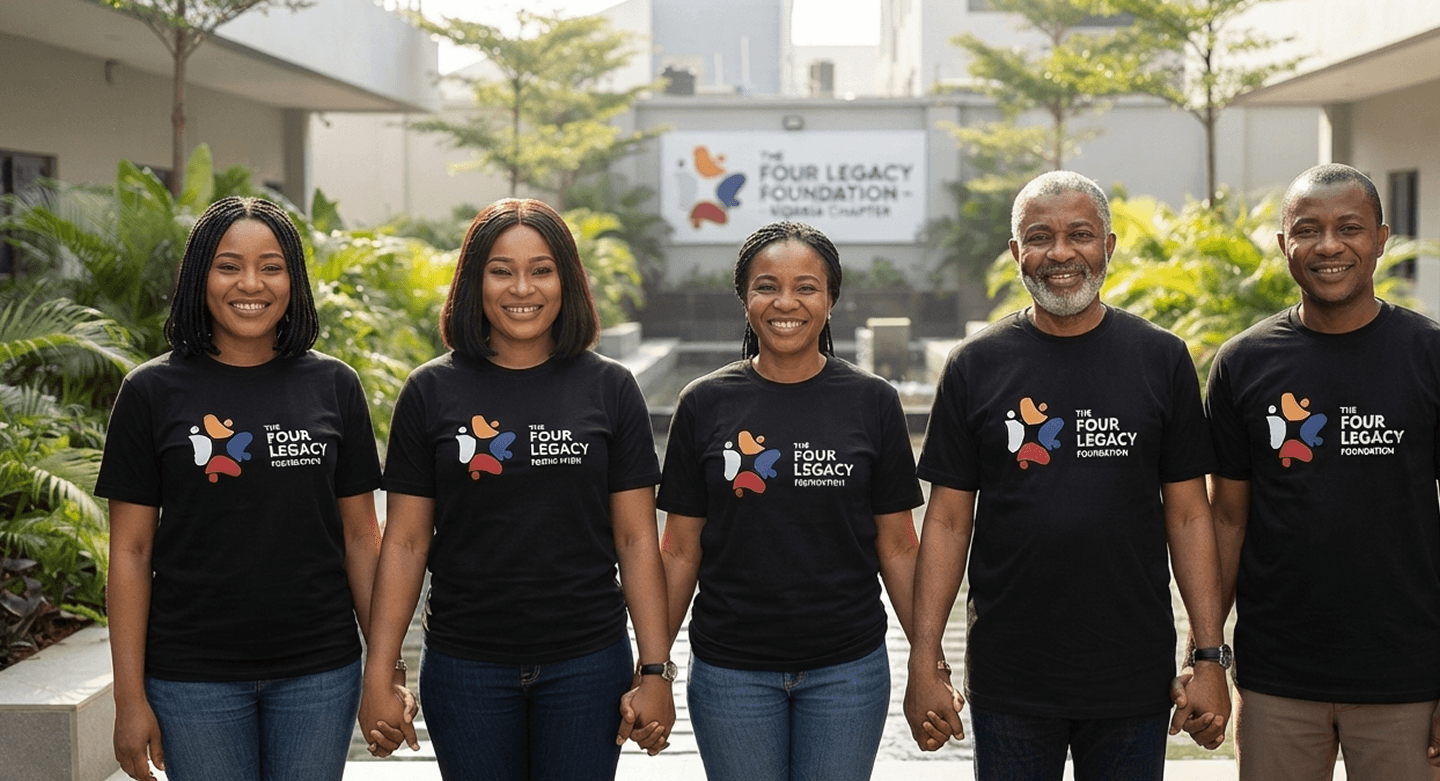
The ALUU 4 Legacy
Preserving memory. Demanding accountability. Building a movement from tragedy.
The Memory
On 5 October 2012, four young University of Port Harcourt students — Lloyd Toku-Mike, Tekena Elkanah, Ugonna Obuzor, and Chiadika Biringa — were killed by a mob in the Aluu community in Rivers State, Nigeria.
They were accused. They were not convicted. They were not given a trial. They were not afforded the dignity of due process. They were killed.
Their deaths were recorded and shared publicly. The images circulated widely. The outrage that followed was immediate, but the systemic change it demanded was slow to come. The Four Legacy Foundation exists to make sure that changes.
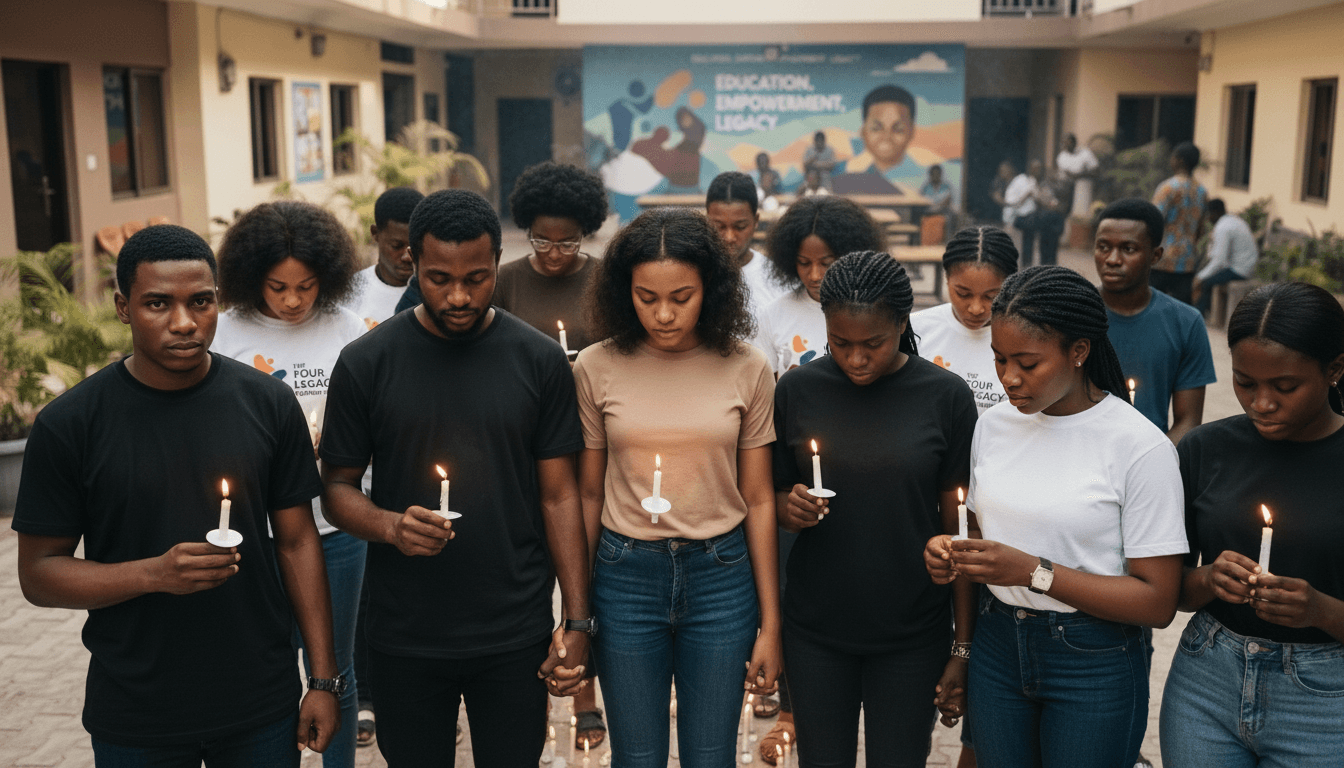
What Their Deaths Revealed
The deaths of the ALUU 4 were not an isolated incident. They were a symptom. They exposed the depth of several systemic failures that continue to threaten lives across Nigeria and beyond.
They revealed what happens when civic education fails, when communities distrust formal justice systems, when law enforcement is absent or ineffective, and when public anger is allowed to replace due process. The ALUU 4 tragedy was not just about four young men. It was about every community that has not been equipped to say no to mob violence.
Weak Civic Education
Communities were not adequately equipped with the civic knowledge needed to reject unlawful violence and demand due process. Accusation became verdict.
Distrust in Law Enforcement
A broken relationship between communities and law enforcement created conditions where mob justice felt like the only available option. That is a system failure, not a community failure alone.
Absence of Due Process
No investigation. No trial. No opportunity to defend. The deaths of the ALUU 4 showed what happens when due process is denied and public anger is unchecked.
Why the ALUU 4 Memory Still Matters
Mob justice did not end in 2012. Extrajudicial violence continues to claim lives across Nigeria. Young people remain vulnerable. Communities remain under-educated about civic rights and the rule of law. Justice systems remain inaccessible to many.
The memory of the ALUU 4 must not become nostalgia. It must become a permanent call to action — a civic standard, a policy argument, a cultural norm, and a movement.

From Memory to Movement
The Four Legacy Foundation was established to transform the memory of the ALUU 4 into a sustained movement for justice, civic education, victim support, policy reform, and human dignity.
We do not believe the best response to tragedy is a memorial page. We believe it is an institution — one that works every day to prevent the next tragedy, support those already affected, and build the civic infrastructure that makes mob justice unacceptable in every community.